
Ultimate Guide To Foundation Repair Products
Learn about essential foundation repair products that help you address structural issues with confidence and ease.
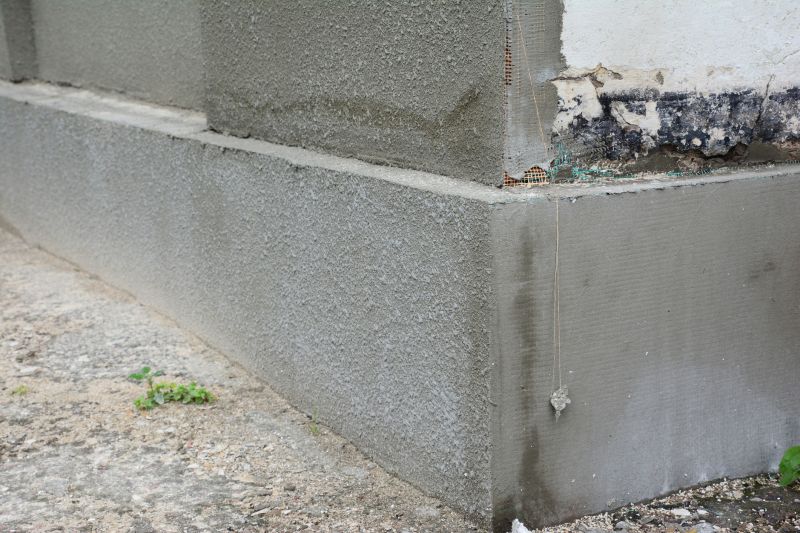 Foundation repairs are a critical aspect of maintaining the structural integrity of a building, especially in areas like South Milwaukee, WI, where soil conditions and weather patterns can impact foundation stability. Selecting the right products for foundation repair requires careful consideration of the specific issues faced, such as settlement, cracking, or shifting. Various repair solutions are available, each designed to address different types of foundation problems, from minor cracks to major structural concerns. Proper application of these products can help stabilize and reinforce foundations, potentially extending the lifespan of the structure.
Top Overall Option
Polyurethane Foam Injection Systems
Polyurethane foam injection systems are versatile and widely used for lifting and leveling concrete slabs and stabilizing foundations. They involve injecting a high-density foam beneath the affected area to fill voids and lift the slab, providing immediate support. These systems are valued for their quick application, minimal disruption, and ability to adapt to various soil conditions. While they are suitable for many repair scenarios, it is important to have a professional assess the specific foundation issues to ensure optimal results.
Types of Products For Foundation Repairs
Epoxy Injection Kits
Used to seal cracks and restore concrete strength, epoxy injection kits are essential for addressing minor cracks and preventing further damage.
Helical Piers
Helical piers are installed beneath the foundation to provide vertical support, often used when settling is evident.
Push Piers
Push piers are driven into the ground to lift and stabilize sinking foundations, suitable for deep-set issues.
Mudjacking and Polyurethane Foam
These methods lift uneven slabs by injecting a slurry or foam beneath the surface, restoring levelness.
Slab Jacking Materials
Materials used in slab jacking help lift and stabilize concrete slabs that have shifted or sunk.
Carbon Fiber Reinforcement
Applied to reinforce cracked or bowed walls, carbon fiber strips help prevent further movement.
Soil Stabilizers
Products designed to improve soil compaction and stability around the foundation area.
Grout and Mortar Patches
Used for filling larger cracks or voids in foundation walls and slabs.
Underpinning Systems
Underpinning involves installing support beneath the foundation to enhance stability, often using various support piers.
Waterproofing Membranes
Applied to foundation walls to prevent water intrusion and related damage.
Drainage Solutions
Products that improve water flow away from the foundation, reducing soil pressure and moisture issues.
Vapor Barriers
Installed to control moisture and prevent damage caused by humidity or water vapor.
Popular Choices
A popular choice for lifting and stabilizing slabs with minimal disruption.
Commonly used for sealing cracks and restoring concrete integrity.
Frequently selected for foundation stabilization in shifting soils.
Often used for deep foundation support and lifting applications.
A go-to material for restoring level surfaces in slabs and driveways.
Chosen for reinforcing cracked or bowing basement walls.
Popular for improving ground support around foundations.
Widely used to prevent water infiltration and protect foundation walls.
Effective in directing water away from foundations, reducing pressure.
Selected for deep support and foundation reinforcement.
Commonly installed in basements to control moisture levels.
Used to fill voids and cracks in foundation structures.
Understanding the different types of foundation repair products can assist homeowners and contractors in making informed decisions. For example, epoxy injections are commonly used to seal cracks and restore strength to concrete. Helical piers and push piers are often employed to lift and stabilize sinking foundations, providing support beneath the structure. Foam jacking or mudjacking involves injecting a polyurethane foam or slurry beneath the slab to lift and level uneven surfaces. Each product type has its own advantages and limitations, making it essential to evaluate the specific needs of the foundation issue before proceeding.
Proper installation and compatibility with existing structures are crucial factors when choosing foundation repair products. Consulting with a foundation specialist can help determine the most suitable approach. Additionally, ongoing maintenance and periodic inspections can help identify emerging problems early, potentially reducing the need for extensive repairs. Selecting high-quality, reliable products designed for the specific soil and weather conditions in South Milwaukee, WI, can contribute to more effective and long-lasting repairs. Ultimately, a combination of appropriate products and professional guidance can support the stability and safety of your property.
Key Buying Considerations
- Assess the specific type and severity of foundation issues before selecting products.
- Ensure compatibility of repair products with existing foundation materials.
- Consider the soil conditions and how they may influence repair effectiveness.
- Evaluate the potential for future movement or settling to determine long-term solutions.
- Choose products that are suitable for the local climate and weather patterns in South Milwaukee, WI.
- Review the installation process and whether professional assistance is recommended.
- Look for products with proven durability and reliable performance records.
- Determine the ease of application and whether the repair method minimizes disruption to daily activities.
- Check for warranties or guarantees offered by manufacturers or contractors.
- Consider the cost-effectiveness and long-term value of the repair solutions.
- Verify that products meet local building codes and safety standards.
- Evaluate the environmental impact, if relevant, and the safety of the repair materials.
- Research customer reviews and testimonials for insights into product performance.
- Plan for ongoing maintenance and inspections to monitor repair stability.
- Consult with qualified foundation specialists to identify the most appropriate products.